
English


Choosing the right Power Panel is a practical decision for global buyers. It affects safety, uptime, installation cost, and long-term maintenance. A panel may look robust in a showroom, yet fail under heat, dust, humidity, or unstable voltage. That gap matters.
Electrical safety educator Mike Holt has often emphasized, “The only safe electrical installation is one that is properly designed, installed, and maintained.” His point remains highly relevant. A dependable Power Panel must match the site, not merely the catalog. Buyers should examine rated current, short-circuit withstand, enclosure protection, thermal performance, busbar quality, and service access. Certification also deserves close attention. IEC, UL, CSA, and regional requirements may differ. One approval rarely covers every market.
Details reveal quality. Look for clear circuit labels, strong hinges, tight cable glands, and clean internal spacing. Check whether replacement breakers are locally available. Ask how the manufacturer handles testing, documentation, and warranty support. These questions can prevent expensive delays after delivery.
The best option is not always the most expensive. Nor is the cheapest panel a real bargain. No ranking is perfect. Site conditions vary, and product data can be incomplete. That is why this guide compares ten Power Panel solutions through a buyer-focused lens. It considers technical capability, compliance, customization, reliability, and supplier support. Some panels may excel in factories. Others may suit commercial buildings, renewable-energy projects, or harsh outdoor sites. Careful comparison remains essential. Global purchasing rewards evidence, not attractive promises.
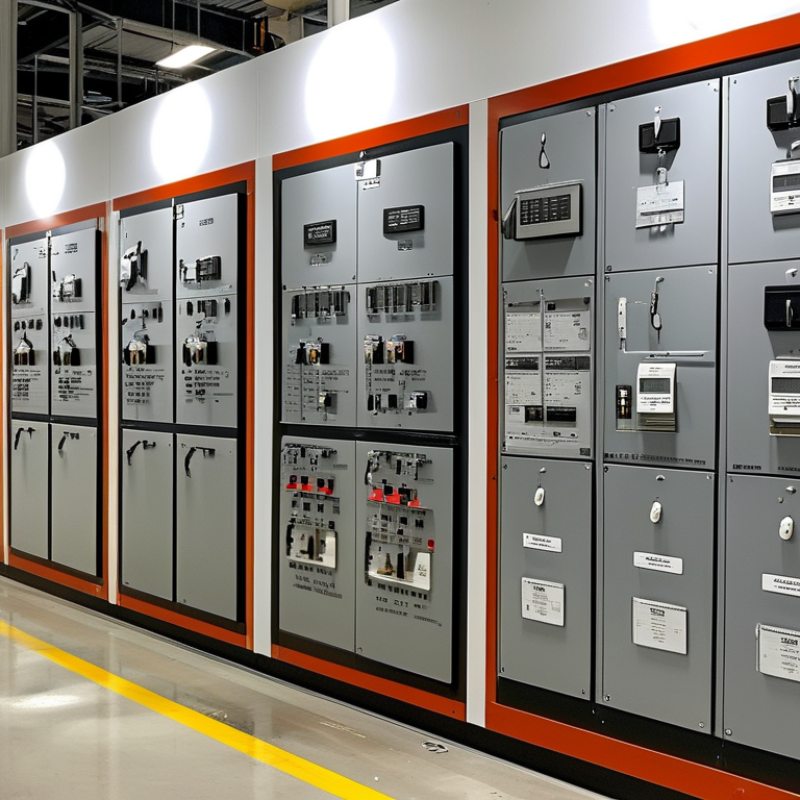
A power panel is the controlled meeting point between incoming electricity and a building’s circuits. It receives power, divides it, and sends each branch through protective devices. These devices interrupt abnormal current before cables overheat or equipment becomes damaged. Simple, but critical.
Inside the enclosure, busbars carry current across multiple circuits. Circuit breakers open when overloads or short circuits occur. Residual-current protection can also reduce shock risks in suitable applications.
IEC 61439 sets key requirements for low-voltage switchgear assemblies, including temperature rise, insulation, and mechanical strength. Buyers should check rated voltage, current capacity, fault withstand, enclosure protection, and available space for future circuits.
Scale matters. The International Energy Agency’s Electricity 2024 report expects global electricity demand to grow by about 3.4% annually from 2024 to 2026. That growth increases pressure on distribution equipment, especially in factories, data facilities, and expanding commercial buildings. A panel selected only for today may become restrictive quickly. Leave spare capacity.
The details are easy to underestimate. A humid plant may need stronger enclosure protection. A dusty workshop may need sealed construction. Poor labeling can delay isolation during maintenance. It happens. Electrical calculations, local codes, and qualified inspection still matter, even when a catalog specification appears complete.
QUICK LINKS
CONTACT US
Office: (+86) 755 23040566
Tel: (+86) 158 9965 5195
E-mail: sale@pcbledmodule.com
Skype: Hans@Rocket-PCB
Whatsapp: 86 1589965 5195
Office Address: 2207,Bid 4,He Gu Shan Hui Cheng,35#,Guang Tian RoYanluo street, Song Gang Town,518105 SHENZHENG, CHINA
Plant ADD.: No 69, Lianfeng North Road, Xianxi Area, ChangAn Town, Dongguan, China.


Copyright © 2025 Rocket PCB Solution Ltd. | All Rights Reserved Sitemap Friendship link: CNC machining heat sink