English


Choosing the right Astm A106 Pipe supplier requires more than comparing prices on a spreadsheet. This guide examines manufacturers and distributors serving global buyers in 2026. It focuses on technical compliance, production experience, inspection discipline, and export reliability. ASTM A106 covers seamless carbon steel pipe for high-temperature service. Grade B is widely requested, while Grades A and C may suit specific engineering conditions. Each supplier should be assessed against the project specification, not a general product label.
The review considers mill certificates, heat numbers, chemical analysis, tensile results, hydrostatic testing, and dimensional control. Traceability matters when pipes arrive in bundles at a busy fabrication yard. So does packaging. End caps, steel strapping, and clear marking can prevent costly confusion during unloading. Experienced suppliers should explain manufacturing limits, available sizes, schedules, coatings, and delivery terms without hiding behind vague claims. Third-party inspection can add confidence, but it does not replace careful document review.
No supplier is perfect.
A low quotation may exclude testing, export packing, or realistic freight costs. Delivery promises can also change when raw material availability shifts. This introduction therefore treats supplier selection as a risk assessment, not a popularity contest. Information should be verified against current certificates, production records, and buyer references. Some conclusions may need revision as factories expand, standards change, or shipping routes become less predictable. That honesty is useful. Global buyers need dependable evidence, practical comparisons, and enough technical detail to make a defensible purchasing decision.
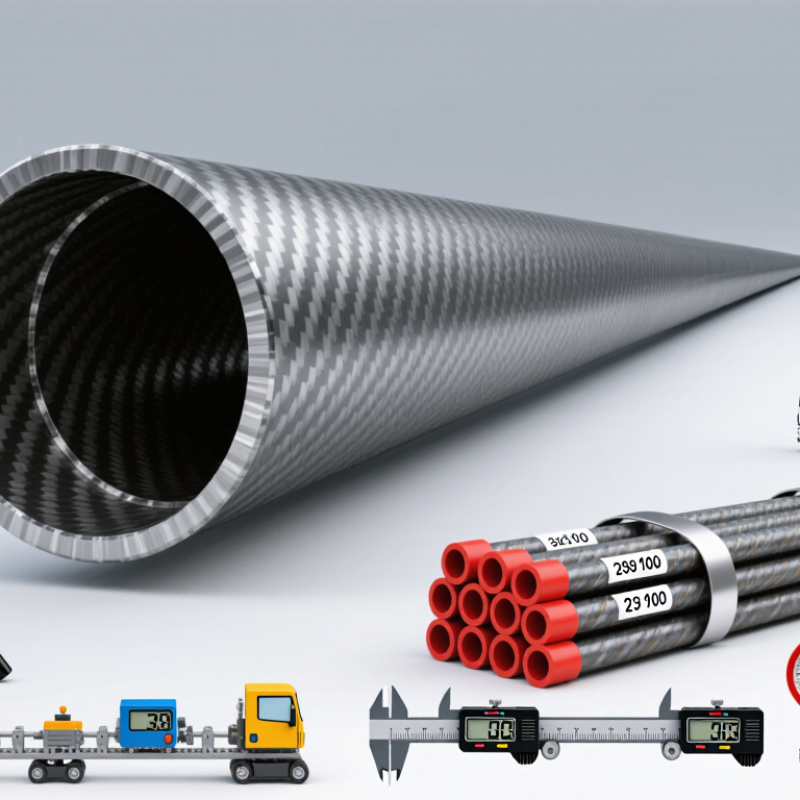
ASTM A106 pipe is a seamless carbon steel pipe designed for high-temperature service. It commonly carries steam, water, gas, and refined hydrocarbons. Grades A, B, and C differ mainly in strength and chemical composition. Grade B is widely selected for general process piping.
Its typical locations include power stations, refineries, boiler rooms, and petrochemical plants. A small pipe may feed a pressure-control valve, while larger lines can run beside hot process equipment.
The IEA’s Oil 2024 report projects global oil demand to reach 105.4 million barrels per day by 2030. This continued processing activity supports demand for reliable high-temperature piping. The Energy Institute Statistical Review 2024 also recorded strong global natural gas use in 2023, reinforcing the need for durable gas and steam systems.
Specification alone is not enough. Buyers should check the mill test certificate, heat number, chemical analysis, tensile results, dimensions, and hydrostatic or nondestructive testing records.
ASTM A106 does not automatically suit corrosive fluids, sour service, or every pressure class. That part is often underestimated. Design temperature, wall-thickness allowance, welding procedures, and local pressure rules still matter.
A practical mistake is treating “seamless” as proof of perfect quality. Manufacturing controls and traceability remain critical, especially when pipes arrive for projects thousands of miles away.
QUICK LINKS
CONTACT US
Office: (+86) 755 23040566
Tel: (+86) 158 9965 5195
E-mail: sale@pcbledmodule.com
Skype: Hans@Rocket-PCB
Whatsapp: 86 1589965 5195
Office Address: 2207,Bid 4,He Gu Shan Hui Cheng,35#,Guang Tian RoYanluo street, Song Gang Town,518105 SHENZHENG, CHINA
Plant ADD.: No 69, Lianfeng North Road, Xianxi Area, ChangAn Town, Dongguan, China.


Copyright © 2025 Rocket PCB Solution Ltd. | All Rights Reserved Sitemap Friendship link: CNC machining heat sink