English


As cities upgrade aging road networks, global buyers are reassessing efficient and dependable lighting options for 2026. This guide examines the best Induction Street Lamp types for highways, residential roads, ports, industrial parks, and public spaces. It considers light distribution, wattage, color temperature, control systems, installation height, and maintenance access. A well-designed induction system may provide stable illumination and reduce frequent lamp replacement. However, performance depends heavily on optical design, ballast quality, operating temperature, and local conditions.
Consider a coastal highway with salt spray, strong wind, and limited nighttime access. Its buyer needs corrosion-resistant housing, suitable ingress protection, reliable electrical insulation, and a tested mounting structure. A dry inland road may require different thermal management and dust protection. Practical purchasing decisions should include photometric test reports, electrical safety documents, EMC declarations, IP and IK ratings, warranty terms, spare-part availability, and clear installation instructions. Regional standards and utility requirements must also be verified before contracts are signed.
Evidence matters.
This article compares induction lamp designs through both technical and field-use perspectives. It also questions familiar claims about extremely long service life, maintenance savings, and universal compatibility. Some suppliers provide impressive figures without explaining testing conditions. That weakness deserves attention. Real projects can reveal voltage fluctuations, delayed replacement parts, or unexpected light depreciation. Experienced buyers should request sample data, inspect references, and calculate total ownership costs. The strongest choice is not always the brightest product. It is the system that performs safely, consistently, and economically within its actual environment.
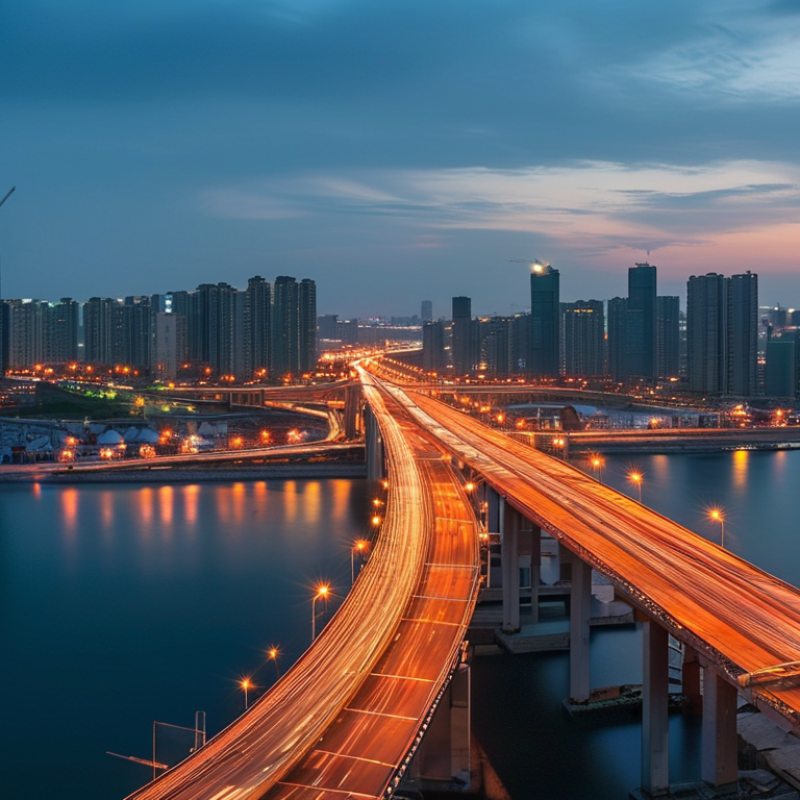
Induction street lamps typically deliver about 80–100 lumens per watt, with rated lifespans reaching 50,000–100,000 hours. These figures describe lamp operation under controlled conditions. Real streets add heat, voltage variation, dust, and frequent switching. Performance changes.
The U.S. Department of Energy’s 2023 Solid-State Lighting R&D Opportunities report places advanced LED sources above 150 lm/W in laboratory environments. This benchmark makes induction lighting look less efficient, but system comparisons require caution. A street fixture also includes optics, ballast losses, wiring, and thermal management. Field efficacy can therefore differ sharply from catalog values.
Long service life remains a practical advantage. Fewer relamping visits can reduce lane closures, lifting equipment, and maintenance labor. However, the 100,000-hour claim often represents gradual lumen depreciation, not perfect brightness. Ask for photometric files, LM-80-style maintenance evidence where applicable, ballast lifetime data, and independent test records. Check the full fixture, not only the lamp. A 90 lm/W lamp may produce less at road level after reflector losses. Mounting height, pole spacing, roadway width, and required illumination also matter. This is where many buying decisions become too simple. Induction can suit stable, long-running installations, yet newer LED systems may offer higher efficacy, stronger controls, and easier dimming. The correct choice depends on measured project conditions, not headline numbers.
QUICK LINKS
CONTACT US
Office: (+86) 755 23040566
Tel: (+86) 158 9965 5195
E-mail: sale@pcbledmodule.com
Skype: Hans@Rocket-PCB
Whatsapp: 86 1589965 5195
Office Address: 2207,Bid 4,He Gu Shan Hui Cheng,35#,Guang Tian RoYanluo street, Song Gang Town,518105 SHENZHENG, CHINA
Plant ADD.: No 69, Lianfeng North Road, Xianxi Area, ChangAn Town, Dongguan, China.


Copyright © 2025 Rocket PCB Solution Ltd. | All Rights Reserved Sitemap Friendship link: CNC machining heat sink