
English


Choosing the right Conveyor Belt Scale can influence production records, inventory control, and daily operating decisions. A dependable system should measure material accurately while handling dust, vibration, moisture, and changing belt speeds. In real facilities, these conditions rarely remain stable for long.
This guide examines seven conveyor belt scales selected for practical weighing performance, installation flexibility, and long-term support. It considers key details, including load-cell design, speed sensors, calibration methods, display systems, and data integration. A quarry may need rugged components that tolerate falling stone. A food-processing plant may value hygiene, quick cleaning, and consistent low-load readings. Different environments demand different strengths.
Accuracy begins with proper installation.
Even a high-quality scale can produce unreliable results when the belt is misaligned or poorly tensioned. Regular zero checks and material tests remain essential. Operators should also review service access, replacement parts, software compatibility, and supplier training before purchasing. These factors often matter more than a specification sheet suggests.
No single model is perfect for every conveyor. A ranking can simplify a complicated decision, and this comparison has limits. Site conditions, material flow, and maintenance habits can change the final outcome. Therefore, each recommendation should be treated as a practical starting point, not an absolute answer. By comparing proven designs and realistic operating requirements, readers can identify a Conveyor Belt Scale that supports trustworthy weighing and better process control.
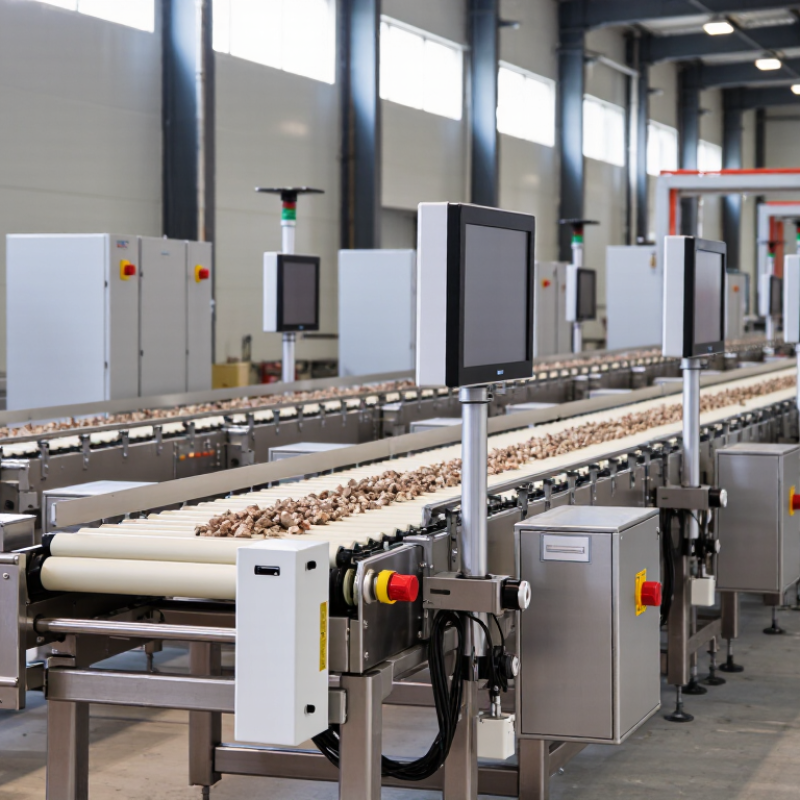
A ±0.25% result sounds simple, but it depends on several working conditions. For a 100-ton test load, that tolerance equals only ±0.25 ton. NIST Handbook 44, 2024 edition, Code 2.21, evaluates belt-conveyor scales through controlled tests, repeatability checks, and defined accuracy requirements. The scale must measure real material flow, not just an ideal laboratory load.
The weighing bridge senses belt tension while speed sensors track belt movement. The controller then combines load and speed data continuously. Belt alignment matters greatly. So does stable material loading. ISO 5048:1989 explains how belt tension, inclination, and power conditions affect conveyor calculations. A small misalignment can create uneven loading across the idlers. That error may quietly increase.
Calibration must use certified test weights or a suitable material test. CEMA’s Belt Conveyors for Bulk Materials, 7th edition, emphasizes checking idler alignment, belt tension, and loading conditions during performance verification. Operators should also inspect buildup beneath the belt. It can alter the weighing signal. ±0.25% is achievable, but not automatic. Weather, belt stretch, vibration, and rushed calibration can reduce confidence. That is the less tidy part. Even experienced teams sometimes overlook it.
QUICK LINKS
CONTACT US
Office: (+86) 755 23040566
Tel: (+86) 158 9965 5195
E-mail: sale@pcbledmodule.com
Skype: Hans@Rocket-PCB
Whatsapp: 86 1589965 5195
Office Address: 2207,Bid 4,He Gu Shan Hui Cheng,35#,Guang Tian RoYanluo street, Song Gang Town,518105 SHENZHENG, CHINA
Plant ADD.: No 69, Lianfeng North Road, Xianxi Area, ChangAn Town, Dongguan, China.


Copyright © 2025 Rocket PCB Solution Ltd. | All Rights Reserved Sitemap Friendship link: CNC machining heat sink