
English


China’s electrical cabinet market deserves more than a price comparison. Buyers need to assess enclosure materials, wiring space, thermal management, ingress protection, and the quality of factory testing. A cabinet may look robust in a catalogue, yet poor cable access can slow installation on a crowded production floor. Small details matter.
Grand View Research estimated the global electrical enclosures market at USD 7.25 billion in 2023 and projected a 5.8% compound annual growth rate from 2024 to 2030. This is a useful market signal, not a guarantee of supplier quality. For buyers comparing Chinese manufacturers, the practical questions are specific: Can the supplier provide drawings, inspection records, customization support, and consistent lead times? Are component choices and test methods clearly documented? These checks help distinguish an experienced manufacturer from a low-cost intermediary.
Thomas Edison, an inventor whose work helped shape modern electrical systems, offered a useful reminder: “The value of an idea lies in the using of it.” For an Electrical Cabinet, that means judging design by how it performs after installation—not by appearance alone. A neat panel matters. So do accessible terminals, clear labeling, and stable temperature under load. No supplier is perfect, and brochures rarely show every limitation. This guide examines leading Chinese manufacturers and suppliers through product range, technical capability, quality evidence, and service, helping buyers build a shortlist based on verifiable details rather than claims.
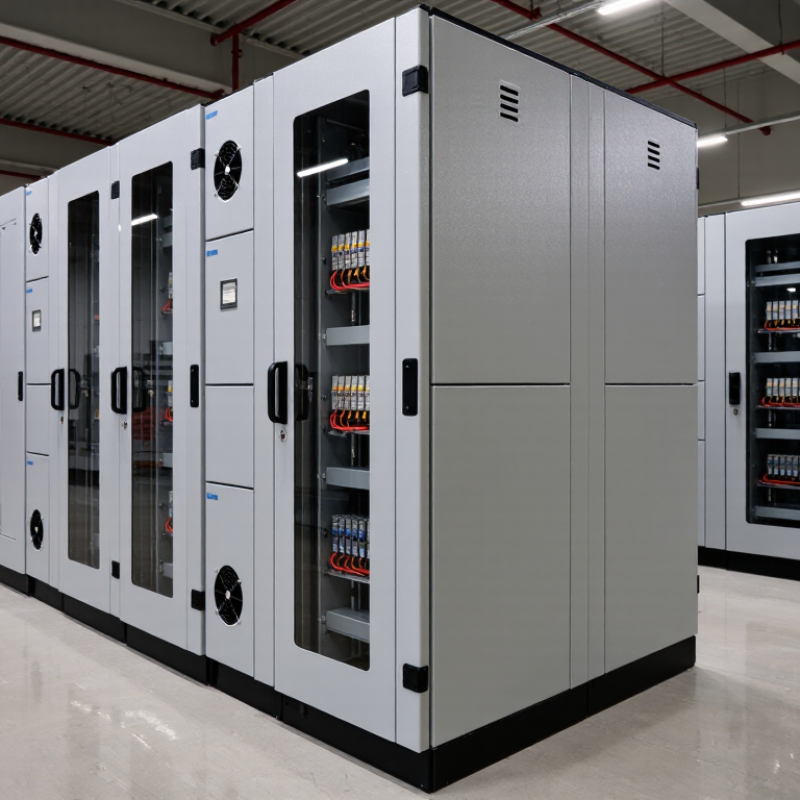
An electrical cabinet is a protective enclosure for equipment that distributes, controls, or monitors electrical power. Inside, technicians may find circuit breakers, contactors, terminals, relays, and control units. The cabinet helps shield these components from dust, accidental contact, and physical damage. It also keeps wiring organized, making inspection and maintenance more manageable. A cabinet is not just a metal box. Its size, material, ventilation, and access points should suit the equipment and installation environment.
In a factory, cabinets may sit beside production lines and control motors, pumps, or sensors. In a commercial building, they can house power distribution equipment in a designated service area. Some cabinets are mounted on walls; larger ones stand on the floor.
Ventilation matters. Heat from operating components can shorten service life if it has nowhere to escape. Yet vents may admit dust or moisture, so the right design depends on the surroundings. That choice can be less obvious than it seems.
Tips: Check the cabinet’s internal space, cable-entry locations, and cooling needs before installation. Leave room for safe access and future wiring changes. Keep labels clear, and arrange cables so technicians can trace them without pulling apart a bundle. Small details help. Regular inspections can reveal loose connections, unusual heat, or damaged seals early.
QUICK LINKS
CONTACT US
Office: (+86) 755 23040566
Tel: (+86) 158 9965 5195
E-mail: sale@pcbledmodule.com
Skype: Hans@Rocket-PCB
Whatsapp: 86 1589965 5195
Office Address: 2207,Bid 4,He Gu Shan Hui Cheng,35#,Guang Tian RoYanluo street, Song Gang Town,518105 SHENZHENG, CHINA
Plant ADD.: No 69, Lianfeng North Road, Xianxi Area, ChangAn Town, Dongguan, China.


Copyright © 2025 Rocket PCB Solution Ltd. | All Rights Reserved Sitemap Friendship link: CNC machining heat sink