Why Choose Digital Solar Bus Stops at the 139th Canton Fair?
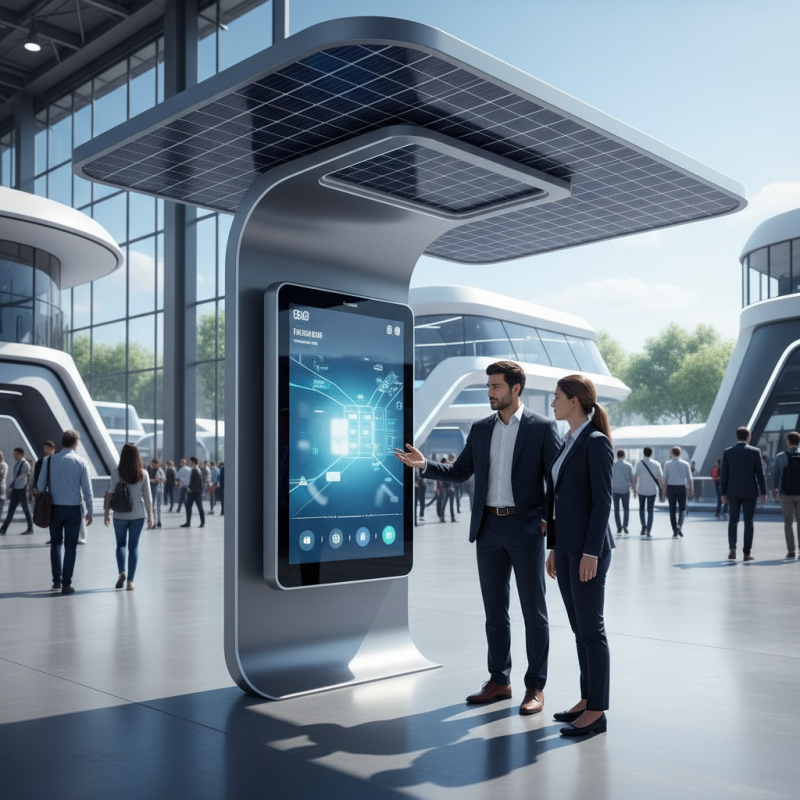
Digital solar bus stops represent a significant innovation in public transportation. Their presence at the 139th Canton Fair highlights a shift toward sustainability and modernization. These bus stops utilize solar energy, reducing reliance on traditional power sources.
Visitors to the fair will notice these advanced structures not only provide real-time transit information but also integrate smart technology. They enhance user experience and environmental responsibility. However, the adoption of digital solar bus stops raises questions about infrastructure costs and maintenance challenges.
While the advantages are clear, some cities may struggle with implementation. Investment is required to ensure durability and efficiency. Despite potential hurdles, the growing trend toward sustainable solutions is inspiring. The benefits of digital solar bus stops can ultimately pave the way for a greener future, making them a compelling choice for cities aiming to improve public transport systems.
Benefits of Digital Solar Bus Stops for Urban Transportation
Digital solar bus stops are revolutionizing urban transportation. They provide numerous advantages that can benefit cities and commuters alike. According to a recent report by the International Renewable Energy Agency, renewable energy usage in transport is expected to grow significantly. Solar energy can power bus stops, reducing reliance on the grid.
Studies show that solar bus stops can reduce energy costs by up to 40%. Using solar panels, these stops provide real-time information to passengers. The screens display live bus schedules and route maps. This information improves the overall commuting experience and encourages public transport use.
Cities face challenges like congestion and pollution. Digital solar bus stops can help address these issues. They promote a shift towards sustainable transport options. However, they also require initial investments. Cities must consider maintenance and technological updates. Balancing these factors is crucial for successful implementation. Adopting such innovations will demand foresight and planning.
Innovative Features of Digital Solar Bus Stops at the Canton Fair
Digital solar bus stops represent a significant innovation in public transportation. At the 139th Canton Fair, these bus stops showcased impressive features. They harness solar energy, making them eco-friendly and cost-effective. Integrated LED displays provide real-time updates, improving the commuter experience.
Tips for choosing digital solar bus stops: Consider the design and installation process. Ensure that the bus stops blend into their surroundings. Aesthetic design may attract more users. Sustainability is crucial. The energy efficiency of solar panels will reduce long-term costs.
Another notable feature is the built-in Wi-Fi. This allows passengers to stay connected while waiting. However, the reliability of the internet connection can vary. It's vital to assess the quality of service in different locations. Overall, digital solar bus stops enhance urban mobility, but challenges remain. Working out these kinks is essential for wider adoption.
Sustainability and Environmental Impact of Solar-Powered Solutions
Digital solar bus stops represent a strong step toward sustainability. They provide accessible transportation options while minimizing environmental impact. By utilizing solar energy, these bus stops reduce reliance on fossil fuels. This shift is crucial in fighting climate change.
The environmental benefits are significant. Solar power reduces greenhouse gas emissions and conserves energy. These bus stops can be equipped with features like LED lights and digital displays, enhancing user experience. However, issues like installation costs and urban infrastructure must be addressed.
While the concept sounds ideal, challenges exist. Communities may hesitate to transition to solar solutions without proper incentives. Ongoing maintenance is also a concern; neglect can lead to inefficiencies. A balanced approach will ensure that digital solar bus stops make a meaningful impact.
Enhancing Passenger Experience with Digital Information Displays
Digital solar bus stops represent a significant advancement in urban transport design. They offer passengers real-time information through engaging digital displays. This feature enhances the overall travel experience. Visual data, like schedules and updates, reduce uncertainty for commuters. They can easily check arrival times or delays while waiting.
These digital displays also provide important community information. Local events and alerts can be shared instantly. This creates a sense of connection within neighborhoods. However, the reliance on technology brings challenges. Technical malfunctions can hinder access to vital updates. It's important to consider backup systems for critical information.
The use of solar energy adds another layer of benefit. Sustainable practices align with modern environmental goals. Yet, the initial installation costs can be a hurdle. Investing in long-term efficiency requires careful budgeting. Communities must weigh these factors to maximize benefits for their residents.
Passenger Experience Enhancement through Digital Solar Bus Stops
Market Trends and Future Prospects for Digital Solar Infrastructure
Digital solar bus stops represent a significant innovation in urban infrastructure. They harness solar energy, reducing reliance on traditional power sources. This approach is not only eco-friendly but also cost-effective in the long run. As cities grow and populations expand, sustainable solutions become essential. It’s a practical way to address rising energy demands while promoting green technologies.
Current market trends show a shift towards renewable energy solutions. Many cities are exploring smart infrastructure that incorporates technology like digital displays and Wi-Fi capabilities. These enhancements provide real-time information to commuters and create a more connected urban experience. However, some municipalities face challenges in funding and maintenance. It raises questions on balancing innovation with practical implementation.
Future prospects for digital solar infrastructure are promising but require careful planning. There is a need for collaboration between governments and tech firms. Each has unique insights that can foster progress. As cities adapt, they must consider community needs and sustainable practices. Urban areas must evolve while remaining user-friendly and environmentally responsible.
Why Choose Digital Solar Bus Stops at the 139th Canton Fair? - Market Trends and Future Prospects for Digital Solar Infrastructure
| Dimension | Description | Current Market Trend | Future Prospects |
| Adoption Rate | Percentage of cities implementing digital solar bus stops | Increasing by 15% annually | Projected to reach 70% by 2025 |
| Cost Efficiency | Reduction in operational costs for municipalities | Reduction of 20% in energy costs | Expected savings of 40% by 2030 |
| User Engagement | Rate of passenger interaction with digital infrastructure | Higher interaction rates by 25% | Projected growth of 50% interaction by 2027 |
| Sustainability Impact | Influence on reducing carbon footprint | Contributed to a 30% reduction | Anticipated 60% reduction by 2035 |