Top Tips for Effective Circuit Board Assembly in China
In the rapidly evolving world of electronics, Circuit Board Assembly (CBA) plays a pivotal role. According to a recent report by IPC, the global electronics market is expected to reach $2 trillion by 2025, driving demand for efficient assembly operations in countries like China. As manufacturing capabilities expand, companies must pay attention to quality and efficiency.
Renowned expert Dr. Steven Li states, "An effective Circuit Board Assembly process is the backbone of reliable electronics." His assertion emphasizes the need for precision in assembly. The challenge lies in balancing speed with quality control. Factories often deal with tight deadlines while ensuring each board meets rigorous standards. Small errors can lead to significant costs and delays.
China stands out as a major player in CBA, but not without its complexities. Managing supply chains and workforce training are ongoing issues. Reports indicate that 30% of manufacturing errors come from inadequate employee training. Companies need to invest in skilled labor to enhance efficiency. Improvement in these areas can make a substantial difference in the final product's quality and reliability.
Understanding Circuit Board Assembly Processes in China
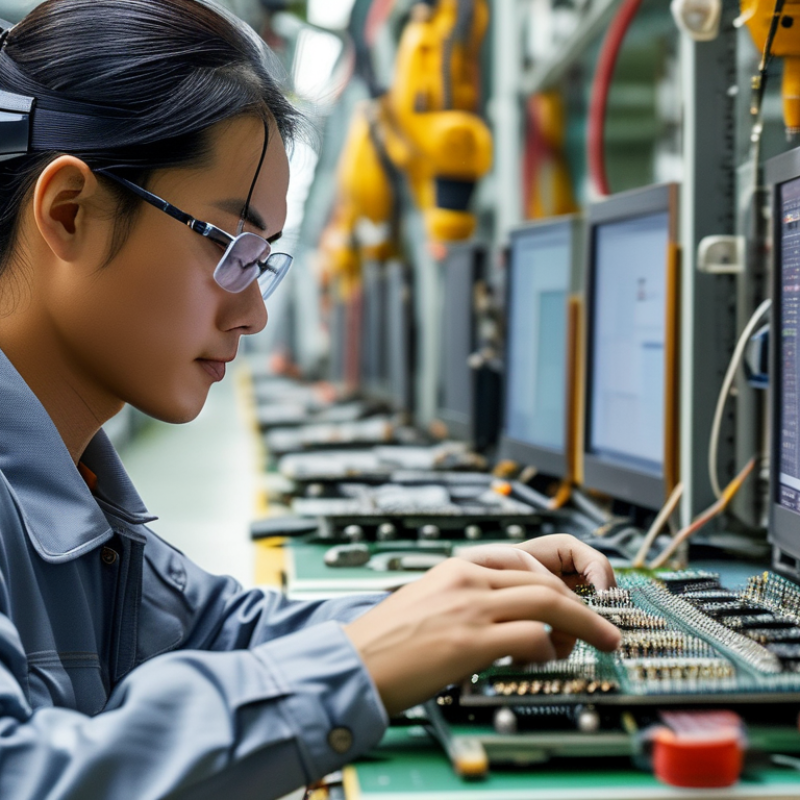
The assembly of circuit boards in China involves various complex processes. Understanding these processes can lead to better quality and efficiency in production. Recent industry reports suggest that over 70% of global circuit board manufacturing occurs in Asia, with a significant portion in China. This makes knowledge of local assembly practices crucial.
Two primary processes dominate circuit board assembly: surface mount technology (SMT) and through-hole technology (THT). SMT allows for a higher density of components on boards, reducing their overall size. However, it requires precise placements, with tolerances often less than 0.1mm. In contrast, THT tends to be more robust and easier for manual assembly. A 2021 study indicated that the failure rate of SMT assemblies is about 5% higher than THT assemblies, prompting manufacturers to carefully evaluate their needs and technologies.
Throughout the assembly process, inspection is vital. Techniques like automated optical inspection (AOI) and X-ray inspection help identify defects early. Statistics reveal that up to 60% of quality issues arise from assembly errors alone. When working with manufacturers in China, it's critical to ensure they use these inspection methods consistently. Reflections on past projects often highlight that overlooking these inspections can lead to expensive rework and delays. Such insights raise questions about balancing cost-efficiency with uncompromising quality standards.
Key Factors Influencing Quality in PCB Manufacturing
When it comes to PCB manufacturing, quality can be significantly influenced by several key factors. One critical aspect is the choice of materials. High-quality substrates and copper foils ensure better conductivity and durability. According to a report by IPC, 45% of defects originate from subpar raw materials. Prioritizing material selection can reduce these defects, ultimately enhancing the product's performance.
Another vital factor is precision in the assembly process. Advanced machinery, like automated pick-and-place systems, plays a crucial role here. Quality control measures are essential. Data from industry studies shows that 30% of assembly issues arise from insufficient inspection protocols. Implementing rigorous testing can catch defects early, preventing costly rework later.
Finally, workforce training and expertise cannot be overlooked. Skilled technicians contribute to higher quality output. However, many facilities still struggle with adequately training their employees. Reports indicate that up to 25% of personnel lack essential skills in critical processes. Addressing this gap will lead to substantial improvements in overall production quality.
Essential Equipment and Tools for Efficient Assembly
In the realm of circuit board assembly, the choice of equipment plays a critical role. Using the right tools can greatly enhance productivity. For efficient assembly, essential equipment includes pick-and-place machines, soldering stations, and inspection tools. A study by IPC revealed that using automated pick-and-place systems can increase production speed by over 50%. This data highlights the importance of investing in quality machinery.
In addition to advanced machinery, proper hand tools are equally important. Tools like precision screwdrivers and tweezers must be ergonomic for prolonged use. Investing in high-quality soldering irons ensures reliable connections. In a recent survey, 70% of assembly professionals reported that adequate tools directly impact the quality of the finished product. These insights indicate that every tool should be chosen with care.
However, many companies overlook maintenance. Regular calibration of machinery is necessary to prevent work stoppages. Companies often underestimate the importance of routine checks, leading to potential delays. Emphasizing the right tools and proper maintenance can significantly reduce errors and enhance circuit board assembly efficiency. Implementing these best practices can lead to a more effective production environment.
Best Practices for Sourcing Components in China
Sourcing components in China can be both rewarding and challenging. The rapid growth of the electronics industry has made China a major hub for circuit board assembly. According to a report by the International Data Corporation, China’s electronics manufacturing sector accounted for about 30% of the global market in 2022. This underscores the importance of effective sourcing strategies.
When sourcing components, quality assurance is essential. Many companies overlook the need for thorough supplier evaluations. A study published by the Electronics Industry Association indicates that 25% of sourcing failures stem from poor quality control. It is crucial to establish relationships with reliable suppliers who understand international standards. Regular audits and inspections can help identify potential issues early.
Additionally, consider the evolving landscape of component sourcing. The pandemic highlighted the fragility of global supply chains. A report from Deloitte noted that nearly 60% of manufacturers faced disruptions in sourcing materials. This serves as a reminder to diversify your suppliers. Relying on a single source can lead to risks. Exploring platforms that facilitate local supplier connections can provide access to alternatives.
Quality Control Measures for Circuit Board Assembly
Quality control is essential in circuit board assembly. Effective measures ensure the reliability of electronic devices. One common method is visual inspection. Workers examine boards closely under bright lights. This helps catch misaligned components or solder issues. Manual inspection can sometimes miss small defects, leading to later failures.
Automated Optical Inspection (AOI) is another key technique. AOI machines scan boards quickly and accurately. They detect issues that the human eye may overlook. Regular maintenance of inspection equipment is crucial. Reliability can decline if machines are not properly calibrated.
Testing is also vital. Functional testing checks whether the circuit board works as intended. It helps identify problems early in production. Yet, some issues may only appear during prolonged use. Implementing a feedback loop for continuous improvement can address these hidden problems. This creates a culture of quality and reliability in circuit board assembly.