English


A Solar Camping Light is more than a portable lamp with a small panel attached. It is a compact energy system designed for tents, campsites, emergency bags, and outdoor paths. During daylight, its photovoltaic panel converts sunlight into electrical energy. A built-in controller directs that energy into a rechargeable battery. After sunset, the stored power runs an efficient LED.
Solar lighting engineer Dr. Anjali Verma explains, “A lamp is only as reliable as the energy it stores.” This principle matters when choosing a Solar Camping Light. A bright afternoon may provide several hours of charging, while cloudy weather can reduce the available energy. The lamp’s panel angle, battery capacity, LED efficiency, and charging circuit all affect nighttime performance. Small details matter.
Some models switch on automatically through a light sensor. Others include motion detection, USB charging, or adjustable brightness. These features can improve convenience, but they may also consume power faster than expected. That is easy to overlook. A lamp rated for ten hours may deliver less in winter, under shade, or after battery aging. Real outdoor use is rarely perfect.
Understanding this process helps users compare products more honestly. It also encourages practical habits, such as placing the panel in direct sunlight and using the lowest useful brightness. This guide examines how a Solar Camping Light works, what its components do, and where its advertised performance may fall short. The technology is simple, but careful use makes it far more dependable.
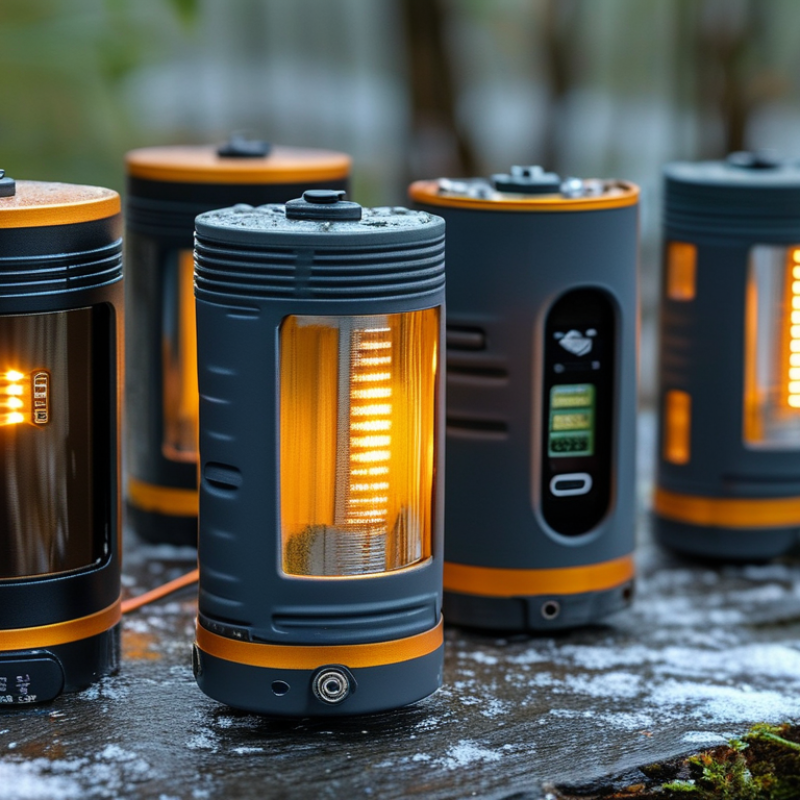
A solar camping light is a portable lamp that converts sunlight into stored electrical energy. Its main parts include a photovoltaic panel, rechargeable battery, LED module, and control circuit. During daylight, the panel produces direct current and charges the battery. After dark, the circuit powers the LEDs, often through low, medium, high, or flashing modes. Some models also provide USB charging, motion sensing, or a built-in handle.
The design reflects wider solar growth. The International Energy Agency’s Renewables 2024 report states that solar photovoltaic systems supplied about three-quarters of new renewable capacity added globally in 2023. This progress has improved small solar devices, but a camping light remains limited by panel size and sunlight. A cloudy afternoon may produce less stored energy. Battery age also reduces nighttime runtime. Weather resistance, measured through an IP rating, matters near wet ground, yet users sometimes confuse water resistance with complete waterproofing. That is an easy mistake.
Tips: Place the panel under direct sunlight, not behind a tent window. Clean dust from its surface before charging. Check the battery capacity in watt-hours, then compare it with the lamp’s power draw. GOGLA’s off-grid solar market reports show millions of solar lighting products moving through global markets each year, but sales volume does not guarantee quality. Test the light outdoors before relying on it for an overnight trip.
QUICK LINKS
CONTACT US
Office: (+86) 755 23040566
Tel: (+86) 158 9965 5195
E-mail: sale@pcbledmodule.com
Skype: Hans@Rocket-PCB
Whatsapp: 86 1589965 5195
Office Address: 2207,Bid 4,He Gu Shan Hui Cheng,35#,Guang Tian RoYanluo street, Song Gang Town,518105 SHENZHENG, CHINA
Plant ADD.: No 69, Lianfeng North Road, Xianxi Area, ChangAn Town, Dongguan, China.


Copyright © 2025 Rocket PCB Solution Ltd. | All Rights Reserved Sitemap Friendship link: CNC machining heat sink