

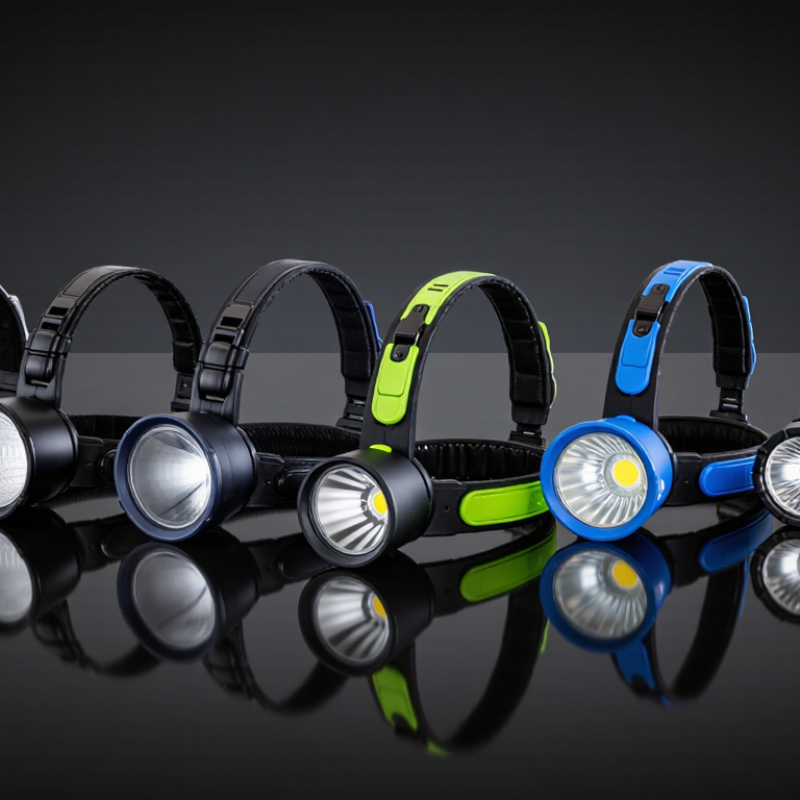
High-power LED headlamps are defined by more than impressive lumen numbers. The U.S. Department of Energy’s 2022 Solid-State Lighting R&D Plan reports laboratory LED efficacies above 200 lumens per watt, but complete products usually achieve less. Housing design, optics, batteries, and heat control reduce real performance. ANSI/PLATO FL 1 testing helps buyers compare total light output, beam distance, runtime, and impact resistance. Look for measured values, not advertising language.
A practical selection starts with the task. Trail users may need a wide beam for nearby roots, while technicians often need focused candela for distant details. Check regulated output, because brightness that rapidly declines becomes frustrating. Battery capacity matters, but charging temperature and replacement access matter too. An IP rating based on IEC 60529 indicates resistance to dust and water, although it does not guarantee survival after every drop. I still find runtime charts easy to overtrust.
Tips: Test the headlamp at its lowest useful setting. Confirm the strap stays stable during movement. Select a warm or neutral tint when identifying surface colors. Inspect the battery compartment and charging port for clear sealing. DOE data supports efficient LEDs, yet efficiency alone cannot predict comfort, glare, or field reliability. My own field checks have taught me that a cooler lamp often feels brighter, but it can reveal less texture on wet ground. That detail is easy to miss.