
loading

BLOG

Why Choose a Suspended LED Panel for Your Project?

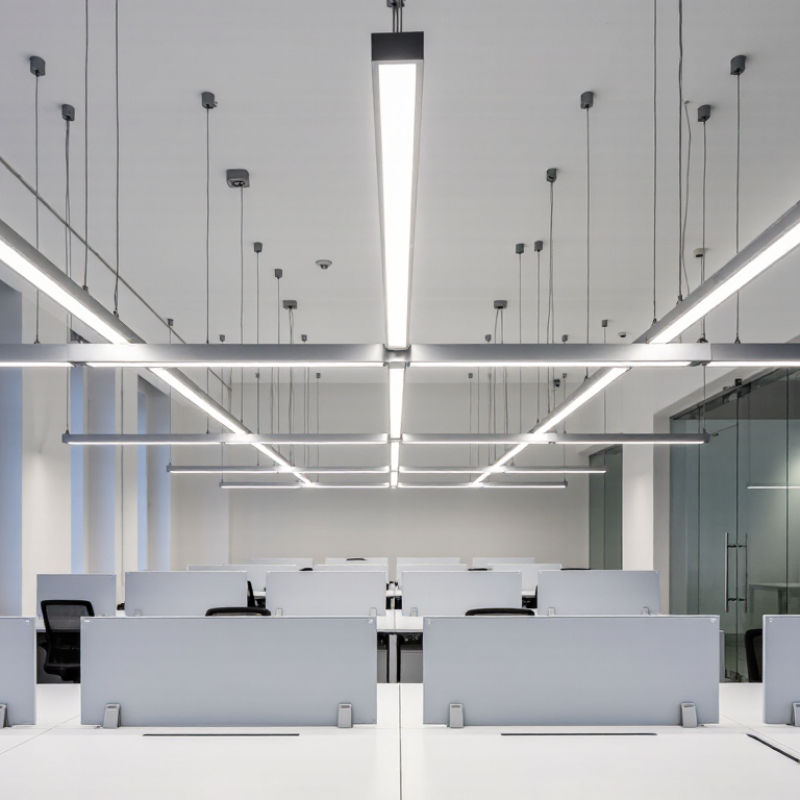
Choosing the right ceiling light can influence comfort, productivity, and the character of an entire room. A Suspended Led Panel offers a clean alternative to traditional recessed fixtures. It hangs below the ceiling, creating an even layer of light across desks, corridors, classrooms, or retail areas. Its slim profile can also make high ceilings feel more balanced. The result is practical and visually calm.

However, appearance should not lead the decision alone. A qualified lighting professional should review ceiling height, mounting points, glare control, color temperature, and required illumination levels. For example, a conference table may need soft, uniform light, while a workshop requires stronger task lighting. A reliable panel should include clear photometric data, tested electrical components, and suitable certifications for the installation market. Check the details.

Suspended systems can simplify maintenance because technicians may reach the fixture without opening the ceiling. They can also support flexible layouts when workstations change. Yet cable alignment, suspension strength, and visible wiring demand careful planning. Small mistakes become obvious above a clean white desk. This is where many projects become less simple than expected. Energy savings may be attractive, but poor dimming performance or excessive glare can reduce satisfaction. A thoughtful specification balances efficiency, visual comfort, installation safety, and long-term service. The best choice is not always the newest model. It is the one that performs reliably in the actual space.
Why Choose a Suspended LED Panel for Your Project?

What Is a Suspended LED Panel and How Does It Work?

Why Choose a Suspended LED Panel for Your Project?

What Is a Suspended LED Panel and How Does It Work?

A suspended LED panel is a flat, energy-efficient light fixture hung below the ceiling with cables, rods, or adjustable suspension kits. Unlike a recessed panel, it remains visible and becomes part of the room’s design. In practice, its position matters as much as its lumen output. A panel placed too low can create glare on screens. Hung too high, it may leave desks dim. The fixture receives electrical power through its connection, while an internal driver converts incoming current into the stable power LEDs require. The LEDs then produce light across a broad surface, reducing harsh points and shadows.

A diffuser spreads light across the panel, creating a softer appearance for offices, classrooms, studios, and retail spaces. Some models support dimming, color-temperature adjustment, or automated controls. These features can improve comfort, but only when the electrical system supports them. Check compatibility before installation. The suspension cables also help position the fixture accurately over work areas. One detail is easy to miss: uneven cable lengths can make a clean panel look visibly tilted. Even experienced installers may need a second adjustment.

Tips: Measure the ceiling height and desk layout first. Choose a suitable color temperature and a high color-rendering rating for detailed tasks. Confirm the driver, dimmer, and control-system compatibility. Inspect the diffuser for glare from seated viewpoints. Leave access for maintenance, because a perfect installation can still require future cleaning or driver replacement.

Why Choose a Suspended LED Panel for Your Project?

A suspended LED panel is a slim lighting fixture hung from the ceiling by adjustable cables or rods. Its LED light source converts electricity directly into illumination, providing efficient, uniform light with less heat and maintenance than traditional fluorescent fixtures.

Representative non-brand-specific values for common commercial lighting configurations. Actual performance varies by fixture, optics, driver, and operating conditions.

How Does Suspension Improve Lighting Distribution and Visual Comfort?

Suspended LED panels can improve lighting distribution by placing the luminous surface closer to eye level. This position helps spread light across desks, walkways, and shared work areas. It also reduces the harsh ceiling contrast often created by recessed fixtures. In practical installations, designers can combine direct and indirect output. The ceiling then becomes a soft secondary light source.

The Illuminating Engineering Society recommends approximately 300–500 lux for many office tasks, with glare control remaining essential. Its RP-1-22 guidance also highlights visual comfort, uniformity, and controlled luminance. CIE 117:1995 explains how the Unified Glare Rating evaluates discomfort glare. A well-designed suspended system can support lower glare when its diffuser, spacing, and viewing angles are carefully selected. It should not be treated as an automatic solution.

I have seen panels hung too low above meeting tables. Faces looked bright, but screens became uncomfortable. That mistake is easy to miss during daytime testing. Suspension height, ceiling reflectance, and furniture layout must be checked together. The U.S. Department of Energy’s LED Lighting Facts research shows that optical design strongly influences delivered performance, not just rated wattage. Therefore, project teams should measure horizontal illuminance and inspect vertical brightness at seated eye level. A small mock-up can reveal uneven patches before installation. Sometimes, fewer suspended panels perform better.

What Energy and Maintenance Benefits Do LED Panels Provide?

Why Choose a Suspended LED Panel for Your Project?

Suspended LED panels can reduce energy use while improving light distribution across workspaces. The International Energy Agency reports that lighting consumed about 15% of global electricity in 2022. Efficient panel systems can help reduce this demand, especially in offices, classrooms, and retail interiors. The U.S. Department of Energy states that LED products use at least 75% less energy than incandescent lighting and can last up to 25 times longer. However, comparisons with fluorescent panels require careful review.

Maintenance savings are often more practical than headline efficiency figures. Many commercial LED luminaires are designed for approximately 50,000 operating hours, according to U.S. Department of Energy solid-state lighting guidance. A suspended panel also provides easier access than recessed fixtures, reducing ladder time and ceiling disruption. Fewer lamp replacements can mean fewer service visits, less material waste, and steadier illumination over several years. Small details matter. Clean diffusers and secure suspension cables still need inspection.

The calculation is not perfect. Actual savings depend on operating hours, dimming controls, ceiling height, and electricity prices. A poorly commissioned system may remain brighter than necessary, wasting energy despite efficient hardware. Field experience suggests measuring illuminance after installation, then adjusting controls to suit the room. This extra step can reveal uneven lighting, glare, or over-lighting that product specifications cannot show.

Which Projects Are Best Suited to Suspended LED Panels?

Why Choose a Suspended LED Panel for Your Project?

Which Projects Are Best Suited to Suspended LED Panels?

Suspended LED panels suit projects needing soft, evenly distributed light without relying on ceiling recesses. Open-plan offices are a strong match. Panels can define work zones above desks while preserving an airy ceiling. They also work well in classrooms, studios, libraries, and meeting rooms. The U.S. Department of Energy reports that modern LED systems can exceed 100 lumens per watt, improving efficiency without sacrificing useful brightness. The International Energy Agency estimates that lighting uses about 15% of global electricity. That makes efficient specification worth serious attention.

Retail spaces and hospitality interiors can benefit too. Suspended panels create visual rhythm above counters, dining tables, or circulation paths. In buildings with exposed services, they avoid costly ceiling reconstruction. Retrofit projects often gain the most practical value. I have seen suspended layouts make a low-ceiling office feel more organized. They are not perfect. Glare, suspension height, and cleaning access still need careful review. A beautiful layout can become uncomfortable when screens reflect the light.

Tips: Use a lighting simulation before installation. Check UGR values for computer-based work, and keep panels clear of sprinklers and ventilation outlets. CIBSE guidance supports designing for visual comfort, not brightness alone. Choose dimming controls when daylight changes throughout the day. Measure the finished space, because drawings rarely reveal every shadow. Even experienced teams miss small coordination issues.

Why Choose a Suspended LED Panel for Your Project? - Which Projects Are Best Suited to Suspended LED Panels?

Planning values are typical application guidelines. Final product selection should follow local electrical, glare-control, fire-safety, and energy-efficiency requirements.
Project Type Suitability Typical Ceiling Condition Why Suspended Panels Work Well Recommended Planning Criteria Main Considerations
Open-Plan Offices Excellent Open ceilings or exposed services; suspended mounting is usually practical. Provides even ambient lighting, supports flexible desk layouts, and can visually define work zones without a suspended ceiling. UGR < 19 where low-glare office lighting is required; CRI ≥ 80; neutral white light around 3500–4000 K; dimming or occupancy control. Coordinate suspension points with HVAC, sprinklers, cable trays, and acoustic treatments.
Meeting and Conference Rooms Excellent Medium to high ceilings with a need for visually organized lighting. Creates a clean focal layout above the table and allows independent control for presentations, video calls, and general use. Dimmable driver; CRI ≥ 80; 3500–4000 K for general use; low-glare optics for screens and polished table surfaces. Avoid placing bright panels directly in camera sightlines or where reflections may appear on displays.
Classrooms and Training Rooms Excellent Flat or exposed ceilings where uniform illumination and easy maintenance are priorities. Suspended linear arrangements can provide consistent light across desks, whiteboards, and teaching areas. CRI ≥ 80; low-glare distribution; 3500–4000 K; zoning and dimming for teaching presentations and screen use. Use impact-resistant construction where equipment or sports activities could create a risk of damage.
Retail Showrooms and Galleries Very Good Medium to high ceilings with open floor plans and changing display arrangements. Offers a clean architectural appearance and can provide comfortable general lighting above merchandise or exhibits. CRI ≥ 90 for accurate color evaluation; 3000–4000 K depending on the desired atmosphere; dimming for display control. General panels may need to be combined with adjustable accent lighting for vertical displays and feature products.
Libraries and Reading Areas Very Good Open or high ceilings where a calm, evenly lit environment is needed. Produces broad, comfortable illumination and can be arranged to mark reading zones, circulation paths, or collaborative spaces. Low-glare optics; CRI ≥ 80; 3000–4000 K; dimming or daylight-responsive controls near windows. Check the mounting height and optical distribution to limit glare on glossy pages and computer screens.
Hospitality and Reception Areas Good Open ceilings or feature ceilings where the lighting system is part of the interior design. Can function as both ambient lighting and a visible architectural feature, especially in lobbies, lounges, and coworking areas. CRI ≥ 80 for general areas and ≥ 90 where appearance is important; 2700–3500 K for warmer ambience; dimming recommended. Select a finish, shape, and suspension height that complement the interior rather than competing with it.
Healthcare Administration Areas Good Non-clinical offices, waiting areas, and staff zones with accessible ceiling structures. Supports comfortable, uniform illumination in administrative and public areas without requiring a full recessed ceiling system. CRI ≥ 80; low-glare output; 3500–4000 K; easy-clean surfaces and suitable electrical safety certifications. Clinical rooms, cleanrooms, and wet locations may require sealed, recessed, or specially certified luminaires instead.
Industrial Offices and Light Assembly Areas Good High-bay or exposed service ceilings, provided the area is not subject to severe impact, dust, or moisture. Allows lighting to be positioned below obstructions and can improve uniformity in workstations or inspection zones. Choose output and beam distribution according to mounting height; verify IP, IK, temperature, and chemical-resistance requirements. Standard indoor panels are not automatically suitable for dusty, wet, high-temperature, or high-impact environments.
Outdoor, Wet, or High-Dust Areas Usually Not Recommended Exposed to rain, condensation, washdown, dust, corrosive substances, or extreme temperatures. Suspended indoor LED panels generally do not provide the enclosure, impact protection, or environmental rating required for these conditions. Use only products with verified IP, IK, operating-temperature, and hazardous-location ratings appropriate to the site. Consider sealed linear fixtures, vapor-tight luminaires, high-bay fixtures, or other purpose-designed solutions.
Common Panel Sizes
600 × 600 mm and 600 × 1200 mm formats are widely used for modular indoor lighting layouts.
Typical LED Performance
Modern commercial LED panels commonly offer approximately 100–160 lm/W, depending on the design and operating conditions.
Best Design Advantage
Suspension allows mounting below structural ceilings and services, making it useful where recessed installation is impractical.

What Factors Should You Consider Before Choosing One?

A suspended LED panel can make a workspace feel brighter and more intentional, but the fixture must suit the room. Begin with the ceiling height and available suspension depth. A panel hanging too low may interrupt movement or create glare on monitors. A panel mounted too high may leave desks dim. Measure twice.

Check the panel’s light output, beam distribution, and color temperature. Offices often need even, comfortable light rather than maximum brightness. A neutral white tone may support concentration, while warmer light can soften meeting areas. Review the color rendering rating when accurate document or product colors matter. Flicker performance also deserves attention, especially in rooms with cameras or long working hours. Test a sample if possible.

Inspect the installation details before ordering. Confirm the ceiling can support the total load, and ask a qualified electrician to verify wiring and controls. Dimming compatibility is easy to overlook. So is future access. Panels should be simple to clean, replace, and inspect without disrupting the entire room. Check electrical safety documentation and the expected service life, not only the purchase price. I once focused too heavily on brightness and underestimated glare from a polished desk. That choice looked efficient on paper, but users needed blinds afterward. A small mock-up could have exposed the problem earlier. Consider maintenance access, energy use, room purpose, and the people who will live with the light every day.

Chat Online
Chat Online
Leave Your Message inputting...
Thank you for your attention. Please kindly describe your question first, or please send your inquiry to our email sale@pcbledmodule.com, and we will reply to you ASAP. Welcome, what can I help you?
Sign in with: