English


An Engine Mount Cushion is a small component with a demanding job. It sits between the engine and vehicle frame, helping absorb vibration, movement, and impact. Without effective cushioning, engine forces can travel directly into the cabin and chassis.
During workshop inspections, technicians often look for cracked rubber, collapsed sections, oil contamination, and unusual engine movement. A worn cushion may produce clunking sounds during acceleration or harsh vibration at idle. These symptoms can appear gradually. Drivers may mistake them for transmission, exhaust, or suspension problems.
The cushion also helps keep the engine correctly positioned. That alignment supports connected parts, including hoses, wiring, exhaust joints, and driveshaft components. Engine design, driving conditions, and material quality all affect service life. City traffic can be especially demanding because repeated starts and stops create frequent load changes.
It is not merely a comfort part. It supports mechanical stability.
A damaged Engine Mount Cushion should be assessed by a qualified technician. Replacement decisions should follow the vehicle manufacturer’s specifications, not appearance alone. Some cushions look acceptable but have lost their proper stiffness. Others may require checking the complete mounting system, including brackets and fasteners.
No inspection is perfect. That matters.
A careful diagnosis combines visual checks, movement tests, noise analysis, and service records. Ignoring early symptoms can allow vibration to damage nearby components. However, replacing one cushion may not solve the problem if another mount has weakened. Understanding this limitation encourages a more reliable repair approach and helps vehicle owners make informed maintenance decisions.
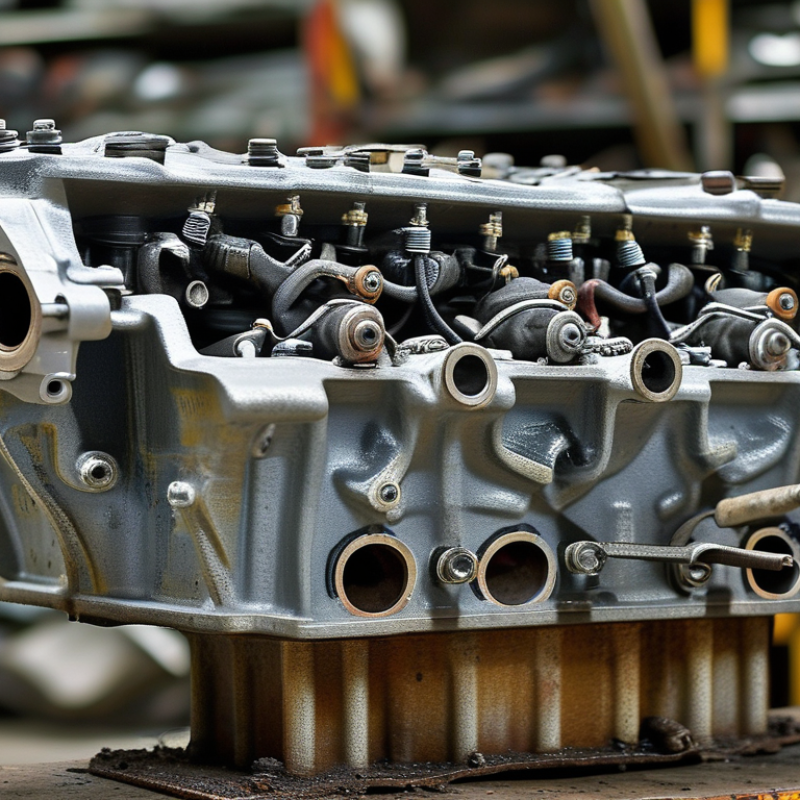
An engine mount cushion is the flexible section inside, or attached to, an engine mount. It sits between the engine and the vehicle’s frame or subframe. Its main job is to absorb vibration before it reaches the cabin. It also limits engine movement during acceleration, braking, and gear changes.
Many cushions use molded rubber, polyurethane, or a fluid-filled design. Rubber cushions are common because they balance flexibility and strength. Some fluid-filled cushions contain chambers that reduce low-frequency shaking more effectively. The exact design depends on the engine’s weight, torque, and mounting position. It is not simply a piece of rubber.
In practical inspections, a worn cushion may show cracks, separation, swelling, or hardened edges. The engine might move noticeably when the vehicle changes direction. Drivers may also hear a dull knock near the engine bay. However, noise can come from a loose bracket or another suspension part. This is where diagnosis becomes important. Checking only the visible surface can be misleading. A technician should inspect the mount under load and compare engine movement with service specifications. A small tear may seem harmless. It can still allow repeated impact and increase stress on nearby hoses, wiring, and exhaust connections. Replacement decisions should consider the cushion’s material, mounting position, and the vehicle’s operating conditions.
| Data Dimension | What It Means | Typical Information | Why It Matters |
|---|---|---|---|
| Definition | An engine mount cushion is the resilient part of an engine mounting assembly. | It is commonly made from rubber, elastomer, or a fluid-filled composite design. | It supports the engine while reducing the transfer of vibration and noise to the vehicle body. |
| Primary Function | To isolate engine movement from the chassis and passenger compartment. | The cushion absorbs vibration caused by combustion, engine imbalance, and drivetrain movement. | Improves ride comfort, reduces cabin noise, and helps protect surrounding components. |
| Load Support | The mount cushion carries part of the engine and transmission assembly load. | The required capacity depends on engine mass, mounting layout, acceleration forces, and road impacts. | Correct support helps maintain engine position and prevents excessive stress on brackets and fasteners. |
| Vibration Isolation | The cushion separates engine vibration from the vehicle structure. | Rubber compounds are selected to provide flexibility and damping across normal operating temperatures. | Effective isolation reduces harshness felt through the steering wheel, floor, seats, and dashboard. |
| Movement Control | The cushion limits excessive engine rocking during starting, braking, acceleration, and shifting. | A properly functioning mount allows controlled movement but prevents large displacement. | Helps protect exhaust pipes, hoses, wiring, driveshafts, and intake connections from strain. |
| Common Construction Types | Different designs provide different levels of damping and movement control. | Solid rubber, hydraulic or fluid-filled, electronically controlled, and polyurethane-based designs are common categories. | The design must match the vehicle’s weight, engine characteristics, comfort requirements, and mounting system. |
| Material Characteristics | The material must remain flexible and durable under changing conditions. | Important factors include resistance to heat, oil, ozone, aging, compression, and repeated loading. | Material deterioration can reduce damping performance and increase engine movement. |
| Typical Failure Signs | Symptoms indicate that the cushion may be cracked, collapsed, separated, or leaking. | Common signs include increased vibration, clunking noises, visible cracking, fluid leakage, and excessive engine rocking. | Early diagnosis can help prevent secondary damage to connected components. |
| Effect on Drivetrain Alignment | The cushion helps keep the engine and transmission in their designed positions. | A collapsed mount can alter the angle of attached shafts, exhaust sections, hoses, or linkages. | Maintaining alignment supports smoother power delivery and reduces component stress. |
| Inspection Method | Inspection combines visual checks with observation of engine movement. | Look for torn rubber, separation, corrosion, loose fasteners, fluid leakage, and abnormal movement during controlled operation. | A qualified technician should perform safety-critical checks and confirm the cause of symptoms. |
| Service Life Factors | There is no single replacement interval for every vehicle or driving condition. | Heat, oil contamination, high mileage, rough roads, heavy loads, frequent stop-and-go driving, and aggressive acceleration can accelerate wear. | Regular inspection is more reliable than replacing the cushion solely according to age or mileage. |
| Replacement Considerations | The replacement part must match the original mounting position and design requirements. | Check fit, load capacity, damping characteristics, fastener condition, and manufacturer installation specifications. | Correct replacement restores vibration control and helps avoid premature wear or unsafe engine movement. |
Note: Mount construction, inspection procedures, and replacement requirements vary by vehicle design. Always follow the applicable service information and safety procedures.
QUICK LINKS
CONTACT US
Office: (+86) 755 23040566
Tel: (+86) 158 9965 5195
E-mail: sale@pcbledmodule.com
Skype: Hans@Rocket-PCB
Whatsapp: 86 1589965 5195
Office Address: 2207,Bid 4,He Gu Shan Hui Cheng,35#,Guang Tian RoYanluo street, Song Gang Town,518105 SHENZHENG, CHINA
Plant ADD.: No 69, Lianfeng North Road, Xianxi Area, ChangAn Town, Dongguan, China.


Copyright © 2025 Rocket PCB Solution Ltd. | All Rights Reserved Sitemap Friendship link: CNC machining heat sink