
loading

BLOG

2026 Top PC Board Assembly Manufacturers Worldwide

The 2026 global electronics market demands faster, cleaner, and more reliable Pc Board Assembly services. Manufacturers now support products ranging from medical sensors and industrial controls to automotive modules and connected devices. Their value is not measured by factory size alone. Process control, engineering depth, traceability, and communication often decide whether a project succeeds.

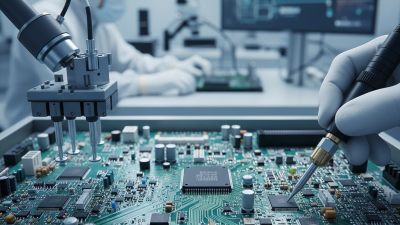
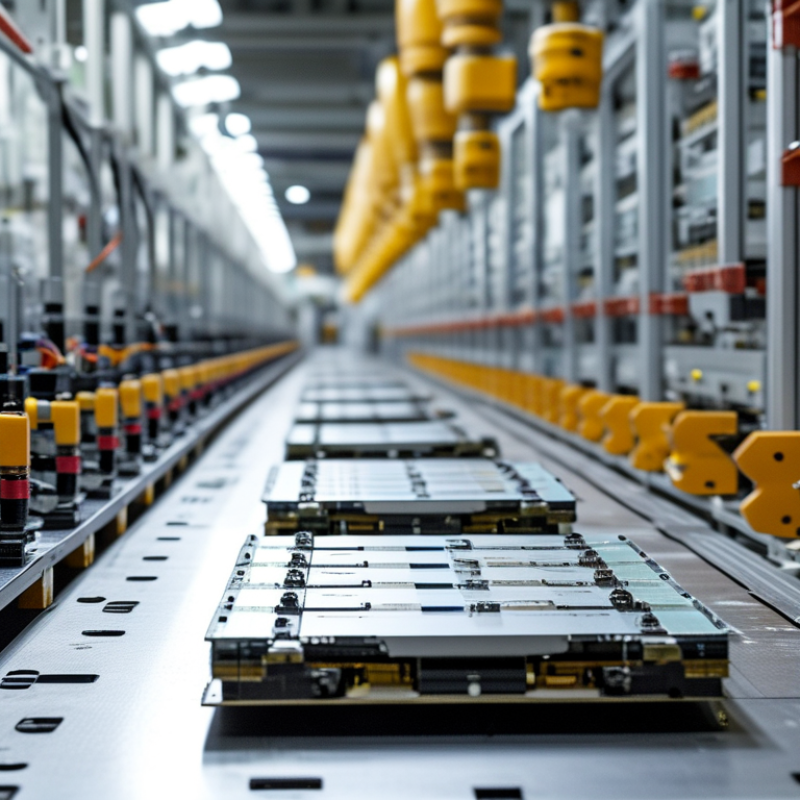
This guide reviews leading PC board assembly manufacturers worldwide through practical industry criteria. These include surface-mount technology capacity, through-hole production, prototype support, testing systems, supply-chain resilience, and quality certifications. Factory details matter. A well-organized line may show automated optical inspection, controlled solder paste printing, and clearly labeled material racks. These small signs can reveal disciplined production more effectively than impressive marketing claims.

Supplier evaluation still requires care. Certification lists may change, capacity figures can be difficult to verify, and regional strengths are not identical. Some manufacturers excel at high-volume consumer electronics, while others provide stronger engineering support for complex, low-volume builds. That distinction is important. The best choice depends on product risk, delivery expectations, documentation needs, and target market requirements.

Real projects also expose limitations. A supplier with advanced equipment may struggle with urgent design changes. Another may offer flexible prototyping but lack global logistics coverage. This overview therefore avoids treating one company as universally superior. It focuses on evidence, manufacturing experience, and the practical questions buyers should ask before approving a Pc Board Assembly partner. Performance claims deserve verification. That is worth remembering.
2026 Top PC Board Assembly Manufacturers Worldwide

What Defines a PC Board Assembly Manufacturer in 2026

What Defines a PC Board Assembly Manufacturer in 2026

In 2026, a PC board assembly manufacturer is more than a production floor with placement machines. It must connect design support, component sourcing, assembly, testing, and shipment control. Experienced teams review solder joint risks before production begins. They inspect thermal zones, connector stress, and component availability. A small design change can prevent hours of rework.

Traceability defines serious manufacturers. Each board should link to material lots, machine settings, inspection results, and operator records. Automated optical inspection can detect shifted components, while X-ray inspection reveals hidden solder defects. Functional testing then checks whether the assembled board performs under realistic conditions. Good factories also follow recognized quality and electronics assembly standards. Their engineers explain failures clearly, using evidence instead of polished promises.

Reliability is not only about speed. It includes stable suppliers, secure production data, trained technicians, and controlled environmental practices. A capable manufacturer can show how it handles obsolete components and sudden demand changes. No factory is perfect. A missed defect or delayed component can still happen. What matters is whether the team investigates the cause, corrects the process, and records the lesson. Buyers should ask for sample inspection reports, process controls, and communication procedures before approving a supplier.

Thin solder can look harmless. It may fail months later.
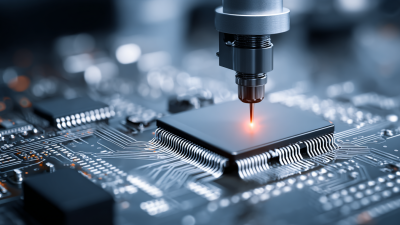
How Global PC Board Assembly Manufacturers Are Evaluated

Evaluating global PC board assembly manufacturers requires more than comparing quoted prices. The first test is process control: solder-paste inspection, automated optical inspection, X-ray inspection, and documented rework rates. IPC standards, including IPC-A-610 and J-STD-001, provide practical benchmarks for workmanship and soldering quality. A reliable factory should show lot-level traceability, calibrated equipment records, and clear corrective-action reports. Vague claims are warning signs.

Capacity must be judged against market pressure. The World Semiconductor Trade Statistics forecast global semiconductor sales at 588.4 billion US dollars in 2024 and 697.2 billion US dollars in 2025. This growth can tighten component availability and extend production schedules. Strong assembly partners therefore publish approved-vendor controls, counterfeit-component prevention methods, and realistic lead-time data. The IPC Electronics Industry Survey also highlights continuing concern about material costs, labor shortages, and supply-chain uncertainty. These issues belong in supplier audits, not only purchasing meetings.

Sustainability and resilience deserve measurable review. Check energy reporting, waste handling, conflict-mineral policies, cybersecurity controls, and disaster-recovery testing. Ask for evidence, not polished slides. A factory may pass an audit yet struggle with engineering changes or low-volume builds. That weakness matters. My evaluation would score quality, delivery, technical support, traceability, and total cost separately, then verify the scores through sample orders. Perfect rankings are unlikely; transparent limitations are more credible.

Leading PC Board Assembly Manufacturers by Region

In 2026, PC board assembly capacity remains concentrated in Asia-Pacific. Mordor Intelligence estimates that Asia-Pacific held the largest share of the electronics manufacturing services market in 2024. Dense component networks, skilled technicians, and high-volume factories support this position. China, Taiwan, Vietnam, Malaysia, and South Korea serve consumer, industrial, and telecommunications programs. IPC’s 2024 Electronics Industry Impact Report also highlights electronics manufacturing’s multi-trillion-dollar global economic contribution. Scale matters here.

North America is moving toward shorter supply chains and faster engineering support. IndustryWeek’s reshoring research reports continued growth in domestic manufacturing projects, although actual assembly capacity varies by region. Facilities in the United States, Canada, and Mexico often focus on aerospace, medical, automotive, and industrial control boards. Traceability is highly visible. So are testing records. Mexico offers geographic advantages for nearshore production, but supplier depth can differ sharply between states.

Europe emphasizes reliability, environmental compliance, and specialized production. Germany, the United Kingdom, Central Europe, and the Nordic region support automotive, energy, and medical electronics. The European Commission’s Chips Act identifies stronger regional semiconductor and electronics resilience as a strategic priority. However, policy does not instantly create experienced assembly teams. That assumption deserves testing. Labor costs, certification requirements, and smaller production runs can reshape supplier selection. Latin America is developing as a complementary nearshore region, yet infrastructure and component availability remain uneven. The regional picture is promising, but not perfectly balanced.

Key Technologies and Services Offered by Top Manufacturers

Top PC board assembly manufacturers in 2026 compete through controlled technology, not slogans. Their production floors combine SMT placement, solder paste inspection, and automated optical inspection. Fine-pitch components demand stable temperature, humidity, and feeder calibration. HDI and rigid-flex boards require precise drilling, laser vias, and careful material handling. These details directly influence yield, signal integrity, and field reliability. Experience matters here. A clean line is useful, but disciplined operators still make critical decisions.

Leading manufacturers also provide engineering services before production begins. Design-for-manufacturing reviews identify narrow solder masks, weak thermal paths, and inaccessible test points. Prototype assembly helps teams compare materials and confirm assembly tolerances. New product introduction services connect documentation, pilot builds, process validation, and controlled scale-up. Some facilities support high-mix, low-volume orders, while others optimize repeat production. Both models need traceability. Serial numbers, lot records, and machine data can expose a defect before it becomes a costly recall.

Quality systems typically include AOI, automated X-ray inspection, flying-probe or in-circuit testing, and functional testing. Box-build integration may add cable harnesses, programming, labeling, and final inspection. Secure component sourcing and counterfeit screening are equally important. Still, no process is flawless. A rushed change review can bypass a useful warning. Even excellent test coverage may miss problems caused by real-world vibration or heat. Manufacturers should study returns, update control plans, and invite customer feedback. That habit shows reliability better than a polished capability list.

2026 Global PCB Assembly Manufacturers: Key Technologies and Services

The chart compares major PCB assembly technology and service areas by the number of widely recognized industry reference documents commonly associated with each capability.

Higher values indicate broader technical and quality-reference coverage, not company rankings, market share, or production volume. Typical services include SMT, through-hole assembly, HDI and flex assembly, automated optical inspection, X-ray inspection, conformal coating, and production traceability.

How to Select the Right PC Board Assembly Partner

Choosing the right PC board assembly partner requires more than checking production capacity. Grand View Research estimated the global PCB market at USD 89.7 billion in 2023. Its report projects a 5.6% compound annual growth rate through 2030. This expansion increases pressure on quality, lead times, and engineering support. Ask whether the supplier can manage your board’s layer count, component density, and expected volume. Request evidence from similar builds. Photos alone are not enough.

Quality systems should match your product’s risk. Confirm working knowledge of IPC-A-610 and J-STD-001 requirements. Review first-pass yield, defect rates, rework percentages, and lot-level traceability. The World Semiconductor Trade Statistics forecast semiconductor sales of USD 687.4 billion for 2025. That growth may intensify component shortages and scheduling changes. A capable assembler should explain its approved sourcing controls and substitution process. Still, forecasts are not guarantees. Numbers can look polished.

Tips: Request a pilot build before signing a long contract. Compare total landed cost, not only the quoted assembly price. Check inspection equipment, test coverage, and engineering response times. Ask for corrective-action records, not just certificates. A factory visit helps, but it cannot reveal everything. I would weight traceability heavily. A slightly higher price may prevent expensive field failures. If communication becomes vague during sampling, reconsider the partnership.

Chat Online
Chat Online
Leave Your Message inputting...
Thank you for your attention. Please kindly describe your question first, or please send your inquiry to our email sale@pcbledmodule.com, and we will reply to you ASAP. Welcome, what can I help you?
Sign in with: